

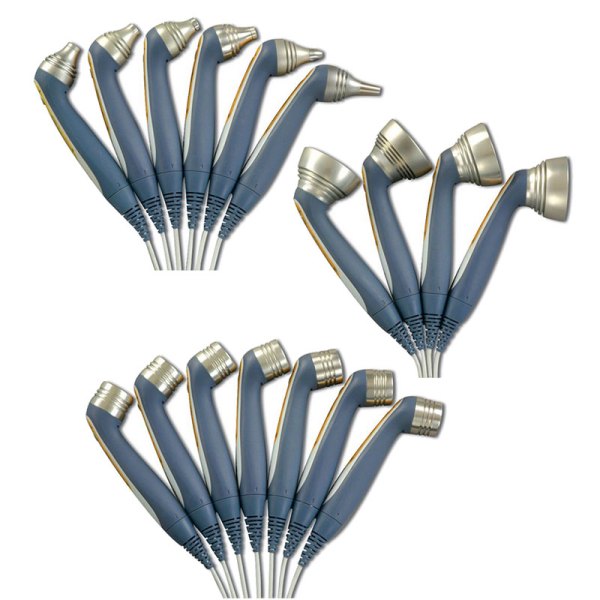

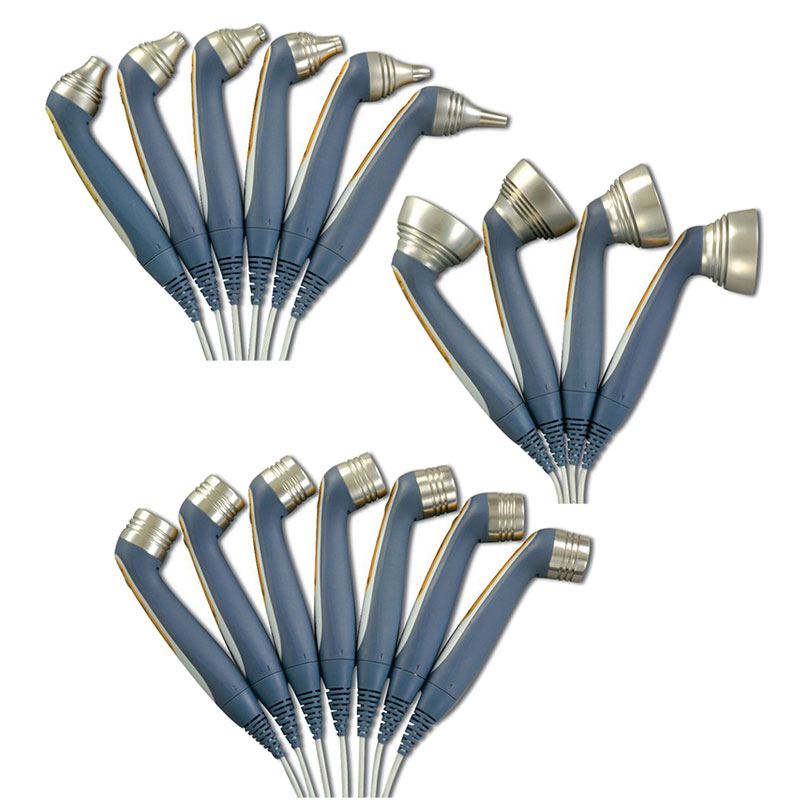
Description
What it is
Purpose: Delivers photo biomodulation / low-level laser therapy over a medium-sized area—bigger than a single-diode probe, smaller than the 33-diode head (27808).
The 9CLS model features a unique design that allows for effective treatment using the diode cluster technology.
Diodes & wavelengths (core specs)
Total 9 emitters with ~104 mW (1.04 W) total output:
- 5 × Laser diodes
- 850nm, 200mW each (infrared, deeper tissue targeting).
- 4 × LED diodes
- 670nm, 10mW each (red light, more superficial targets).
- Why that mix matters:
- 850nm IR lasers → penetrate deeper (muscle, tendon, joint capsule).
- 670nm red LEDs → more surface/near-surface tissues (skin, superficial tendon, trigger points).
- Cluster layout gives more uniform coverage than a single spot beam.
Power & treatment area
- Total power: 1040mW. Chattanooga Rehab+1
- Suggested area size by vendors: roughly 5–10 cm² treatment zones. WS Enterprises and Associates, Inc.
- Clinical implication: faster than a single diode for mid-size regions (e.g., small muscle groups, localized joint pain).
Operating / software features (what you control)
When plugged into a compatible Chattanooga base unit, the 27812 head enables: Chattanooga Medical Supply+1
- Independent control of parameters (power, time, dosage, etc.).
- Dose display in Joules or J/cm² (energy density).
- Continuous and pulsed modes with fully variable pulse frequencies.
- Real-time feedback showing energy delivered as you treat.
- Preset clinical indications matched to the applicator.
- User-defined protocol slots for saving custom treatments.
Compatibility
- Designed for Chattanooga laser systems such as Vectra Genisys / Genisys TranSport and also listed as compatible with Vectra Neo units that have the laser module.
Safety / class note
- This applicator is part of a Class 3B therapeutic laser system when used with its base. That means standard clinical laser precautions apply (eye protection, controlled use).


