
Description
Description
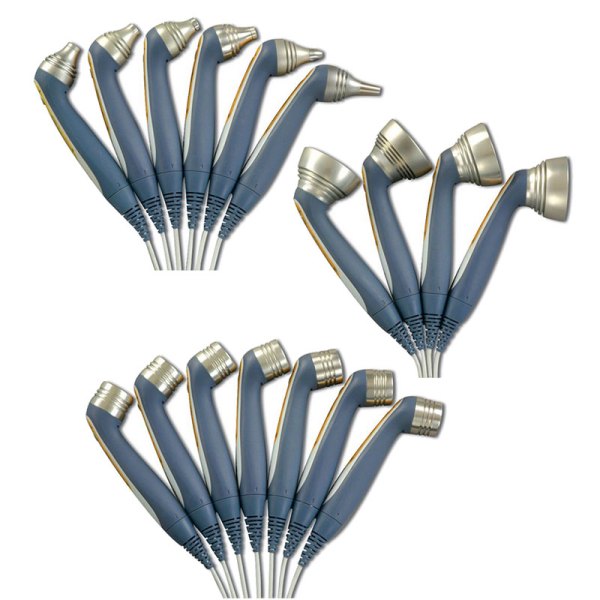
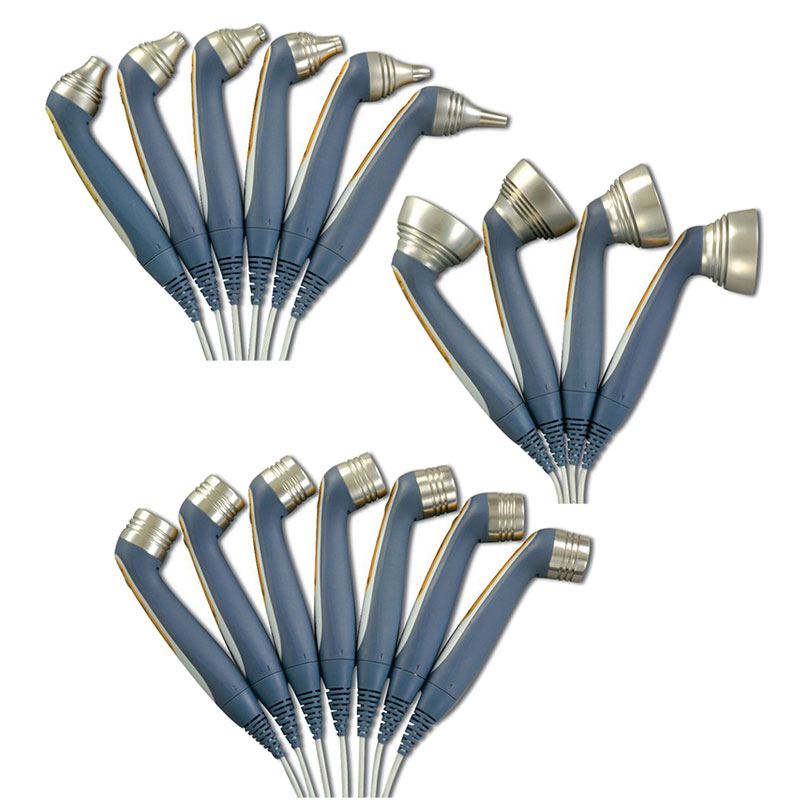
Single Laser Diode Applicator (850nm, 100mW) that plugs into Chattanooga laser-capable therapy units. It’s a small, precise, single-source infrared treatment head—not a multi-diode cluster.
The 27840 Single Laser Diode Applicator is a cutting-edge device designed for precision therapy in various medical settings. Its compact size does not compromise its effectiveness; rather, it enhances its usability in treatment scenarios where space and accuracy are crucial.
What it is
This applicator operates using advanced photobiomodulation technology, which is essential for reducing inflammation and promoting healing at the cellular level. The unique properties of laser diodes allow for the selective targeting of tissues, thereby improving treatment outcomes in conditions such as chronic pain and sports injuries.
- Product name/type: Single Laser Diode Applicator / Single Diode Laser Applicator.
- Emitter layout: 1 true laser diode (no LEDs or SLDs in this head).
- Role: Used for localized photobiomodulation / low-level laser therapy where you want a focused spot rather than broad area coverage.
Key technical features
One of the standout features of the 27840 is its 850nm wavelength. This specific wavelength is scientifically recognized for its ability to penetrate deeper into tissues compared to visible light, ensuring that the energy delivered reaches the intended therapeutic targets effectively.
- Wavelength: 850nm infrared.
- IR at 850nm is chosen for deeper tissue penetration vs visible red light.
Moreover, the 100 mW output power provides a balance between safety and efficacy, making it suitable for a variety of applications without the risk of overheating or damaging the surrounding tissues. This characteristic is particularly important in sensitive areas where precise energy delivery is required.
- Output power: 100mW total.
- Class / therapy type: Part of Chattanooga therapeutic laser (Class 3B system when connected to base); standard laser precautions apply.
As a Class 3B therapeutic laser, the 27840 adheres to strict safety guidelines that allow practitioners to use it confidently in clinical environments. Following these guidelines not only protects patients but also ensures optimal results during therapy sessions.
What the applicator enables on the base unit
The head itself is “dumb hardware”; the base unit controls everything.
The applicator’s ability to interface with compatible Chattanooga systems allows for a wide range of customizable treatment settings. Clinicians can easily adjust parameters such as treatment time and energy dosage, making it an invaluable tool for personalized care.
- Independent control of all parameters (time, dose, mode).
- Energy display in Joules or J/cm² (dose tracking).
- Continuous or pulsed modes.
- Fully variable pulse frequencies.
- Real-time feedback showing energy delivered during treatment.
- Clinical indication presets that automatically align to this applicator.
- User-defined protocol slots to save custom settings.
Compatibility
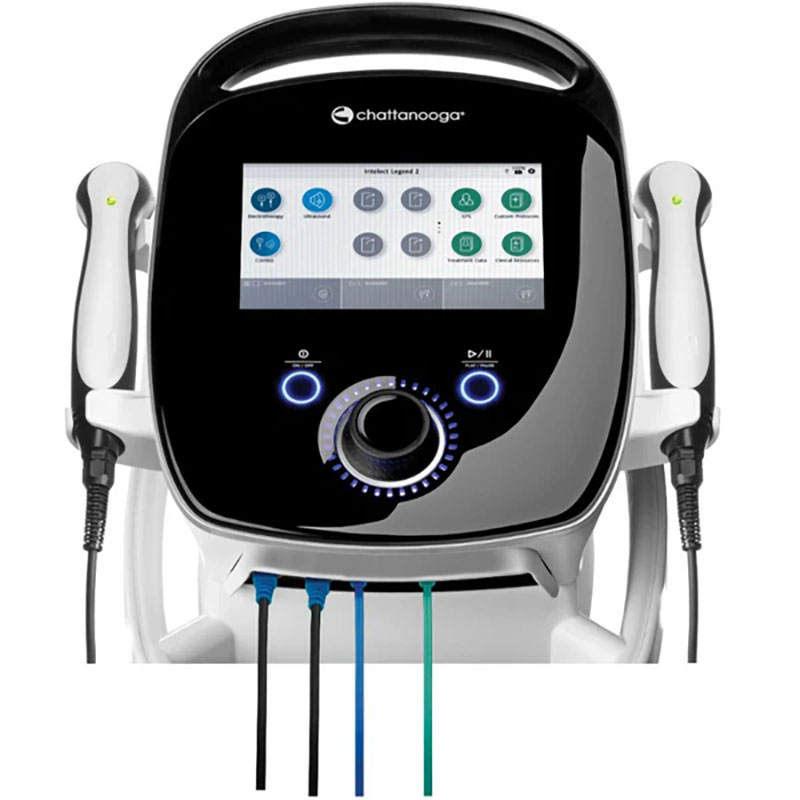
Designed for Chattanooga laser systems such as Vectra Genisys / Genisys TranSport and also listed as compatible with Vectra Neo units that have the laser module.
When using the 27840, it’s crucial to remember that it is designed to work exclusively with specific Chattanooga laser therapy systems. This compatibility ensures that users can harness the full potential of the applicator while maintaining high standards of treatment effectiveness.
- Important: you must have a Chattanooga laser base unit; 27840 alone will not function.
When you’d pick the 27840 vs cluster heads
Practitioners often face the choice between using single diode applicators like the 27840 or cluster heads. Understanding the distinct applications of each option is essential; for example, the laser diode is particularly effective for treating localized areas, while cluster heads excel in providing broader coverage.
- 27840 single diode (100mW): best for small, precise targets (trigger points, tendon insertions, small joints).
In practice, when addressing conditions such as tendonitis or specific joint pain, the focused energy of the 27840 allows practitioners to deliver precise dosages, leading to quicker resolution of symptoms and improved patient satisfaction.
- Slower area coverage but very controlled dosing.
- Cluster heads (e.g., 27811 / 27812 / 27808): best for larger areas and faster coverage since power is spread across many emitters.
Ultimately, the choice between the 27840 Laser Diode and cluster heads should be made based on the specific treatment goals. A thorough understanding of the capabilities and limitations of each tool enables clinicians to provide the best possible care to their patients.